
Guides & Advice
Block Paving vs. Tarmac vs. Gravel: Which Driveway Is Right for Your Home?
A new driveway is one of the first things anyone notices about a house, and it takes more punishment than almost any other surface on the property. Cars, weather, and years of use all leave their mark, so picking the right material matters more than the colour or the pattern. Block paving, tarmac and gravel are the three most common driveway surfaces in Ireland, and each one suits a different budget, look and level of upkeep.
Block Paving
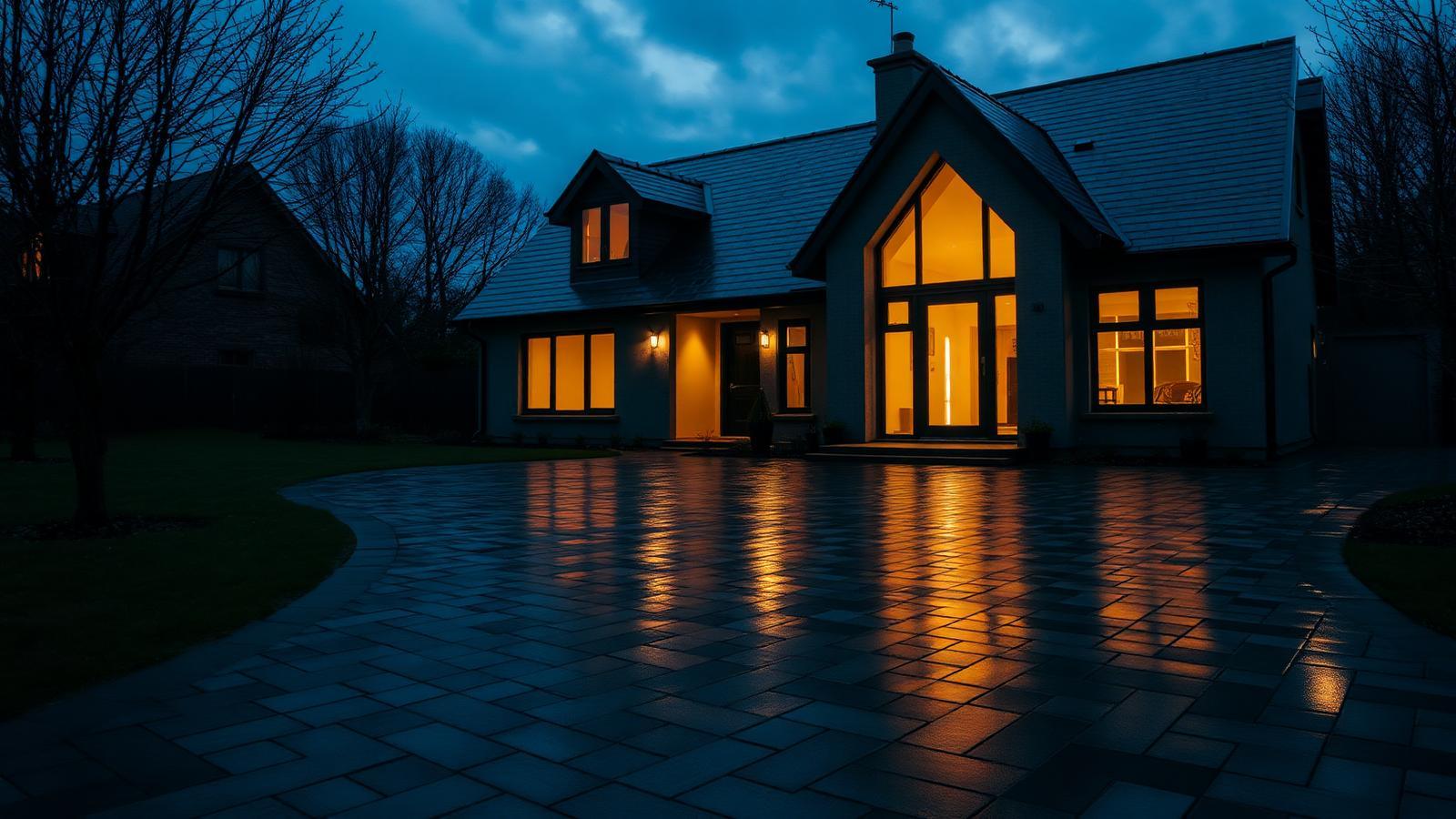
Concrete block paving is the most popular driveway surface in the country, and it's easy to see why. It's laid as small individual units on a compacted base, which makes it strong under vehicle weight and simple to repair. If a section gets stained or damaged, individual blocks can be lifted and relaid rather than replacing the whole driveway.
Block paving comes in a wide range of colours, shapes and patterns, so there's more design flexibility here than with tarmac or gravel. It costs more upfront than gravel, and usually a bit more than tarmac, but it holds its value well and adds genuine kerb appeal. Maintenance is straightforward: an occasional power wash and reseal keeps it looking sharp for years.
Tarmac
Tarmac gives a smooth, seamless, no-fuss finish and is one of the quicker surfaces to install. It suits larger driveways well, since there are no joints or pattern to lay out, and it handles daily traffic without issue. It's a mid-range option on cost, sitting between gravel and block paving in most cases.
The trade-off is design: tarmac is essentially one flat black or dark grey surface, so it doesn't offer the same visual variety as block paving. It's a practical, durable choice for someone who wants a clean finish without spending on a decorative surface, and it holds up well through Irish winters.
Gravel
Gravel is the most budget-friendly option and one of the quickest to put down. It has a traditional, natural look that suits period homes and rural properties particularly well, and it drains freely, which helps in wetter parts of the year.
The downside is maintenance. Gravel needs occasional raking and topping up over time, and it can shift or scatter with heavy use, especially at entrances and turning points. It's a strong option for someone prioritising cost and a natural finish over a completely low-maintenance surface.
Which One Suits Your Home?
If budget is the main factor and you like a traditional look, gravel is worth considering, especially on a period property or a longer rural driveway. If you want a clean, durable, no-frills surface without paying for decorative paving, tarmac is a solid middle ground. If you want the most durable, best-looking, longest-lasting option and are willing to spend a bit more upfront, block paving is generally the better long-term investment, particularly for a driveway that's front and centre on the property.
The right groundwork matters just as much as the surface itself, regardless of which material you choose. Proper excavation, a compacted sub-base, correct edge restraints, and drainage that carries water away from the house rather than towards it are what actually determine how long a driveway lasts. A surface laid on a rushed or shallow base will show sinking, cracking or pooling within a couple of winters no matter how good the material is.
If you're weighing up which surface suits your property, we're happy to talk through the options, show samples, and give a straightforward quote before anything is ordered.
Need this done at your property?
Get a free quote from Farrell Exteriors — we'll talk through options, show samples and give you a straightforward price before anything is ordered.
Ready to Upgrade Your Outdoor Space?
Call Farrell Exteriors today for a free quote on paving, fencing, driveways, turf lawn, power washing, resealing, windows and doors, or landscape design.