
Guides & Advice
Porcelain vs. Natural Stone Patios: A Homeowner's Guide
Patios are one of the most visible upgrades a homeowner can make, and the choice of material shapes how the whole outdoor space looks and feels for years to come. Porcelain and natural stone are the two most popular options for Irish gardens, and while they can look similar in photos, they behave quite differently once they're down.
Porcelain Paving
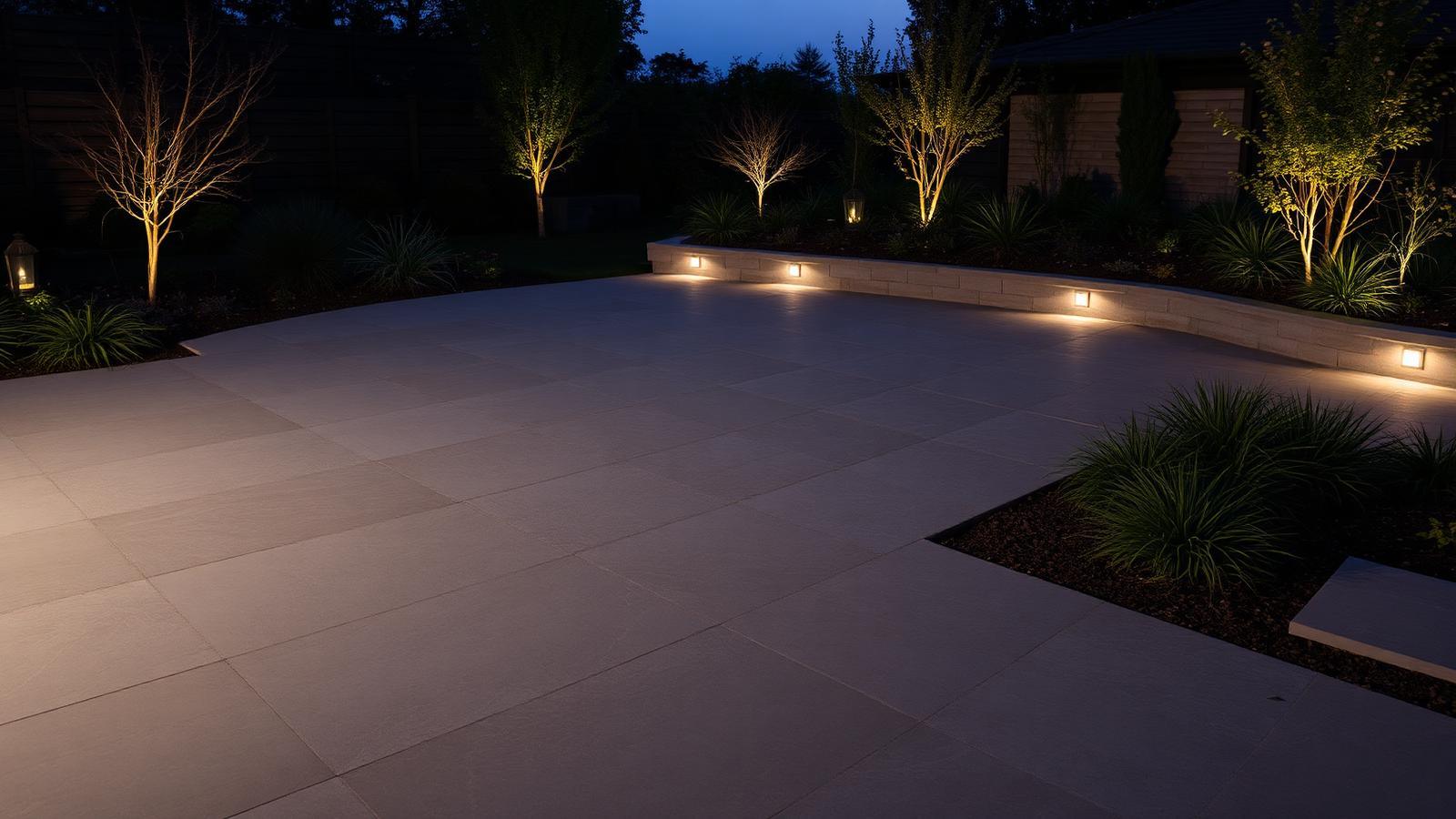
Porcelain is a manufactured tile, and that consistency is its biggest strength. Every slab is the same thickness, colour and finish, which gives a clean, contemporary look that suits modern extensions, new builds, and anyone who wants a sharp, uniform patio.
It's also one of the lowest-maintenance surfaces available. Porcelain is dense and almost non-porous, so it doesn't absorb water or stain easily, and moss and algae sit on the surface rather than soaking in, which makes it easy to clean with a rinse rather than needing to reseal every season. It's frost resistant, which matters through an Irish winter, and the colour runs through the body of the tile rather than sitting on top, so it doesn't fade in the sun.
The trade-off is character. Because it's manufactured, porcelain doesn't have the natural variation that stone has, and it tends to suit modern properties better than older or period homes.
Natural Stone
Natural stone, most commonly limestone, sandstone or granite in Ireland, brings a character that manufactured products can't fully replicate. No two slabs are exactly alike, and that natural variation gives a patio real depth and texture. It's a material that suits period properties particularly well, but it looks equally at home in a new build garden.
Limestone gives a smooth, even surface in soft blues and greys that pairs well with both rendered and painted houses. Sandstone brings warmer tones and more visible variation across each slab, which suits traditional gardens. Granite is the hardest wearing of the three and has excellent grip, which makes it a strong choice for steps and busier areas.
Natural stone generally needs a little more upkeep than porcelain, particularly around sealing to protect against staining, but a well laid stone patio only improves with age rather than dating.
Cost and Durability
Porcelain and natural stone sit in a similar price bracket, with the exact cost depending on the specific product, format and finish chosen. Both are durable, long-lasting surfaces when installed properly. The real difference isn't really about which lasts longer, it's about which look and maintenance level suits the property and the homeowner.
Which Suits Your Garden?
If you want a clean, modern, low-maintenance finish and your home has a contemporary style, porcelain is usually the better fit. If you want a patio with natural character that will suit a period property, or you simply prefer the look of real stone, natural stone is worth the slightly higher upkeep.
Whichever material you choose, the finish is only as good as what's underneath it. A compacted sub-base with the correct falls for drainage, properly bedded slabs, and neat jointing and cutting around steps and edges are what keep a patio flat and draining correctly for years, rather than pooling water or shifting after a few winters.
If you're deciding between the two, we're happy to talk through samples and finishes and give an honest recommendation based on your property before you commit to either.
Need this done at your property?
Get a free quote from Farrell Exteriors — we'll talk through options, show samples and give you a straightforward price before anything is ordered.
Ready to Upgrade Your Outdoor Space?
Call Farrell Exteriors today for a free quote on paving, fencing, driveways, turf lawn, power washing, resealing, windows and doors, or landscape design.